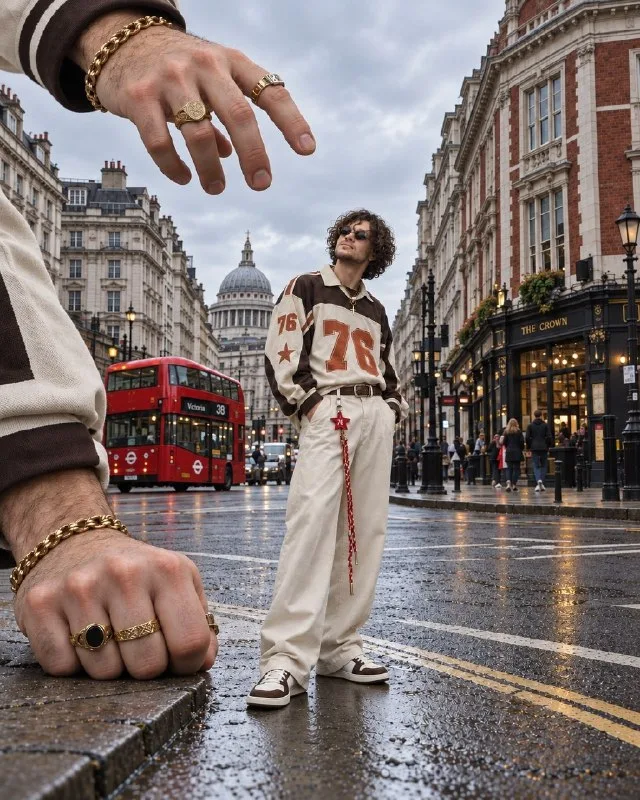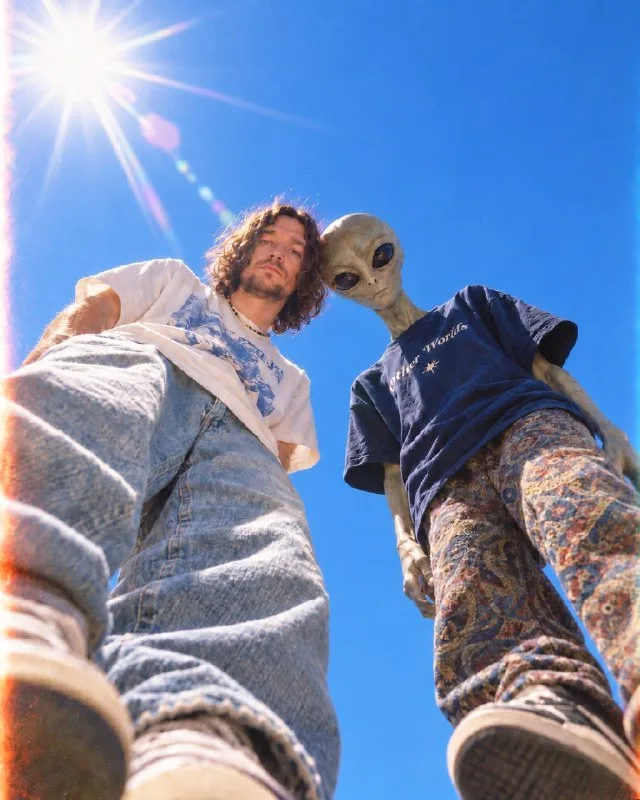
An extreme worm's-eye-view photograph shot from ground level looking straight up: a man with the face
0 0 Imagen
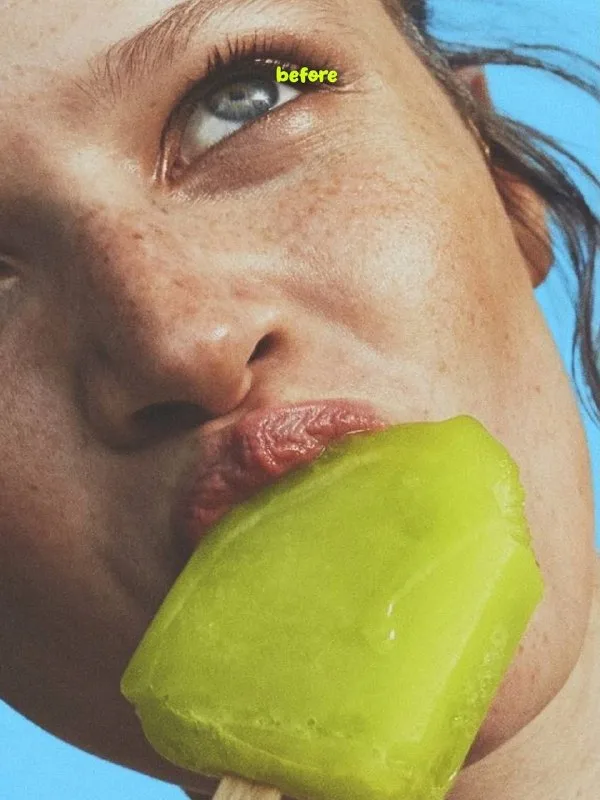
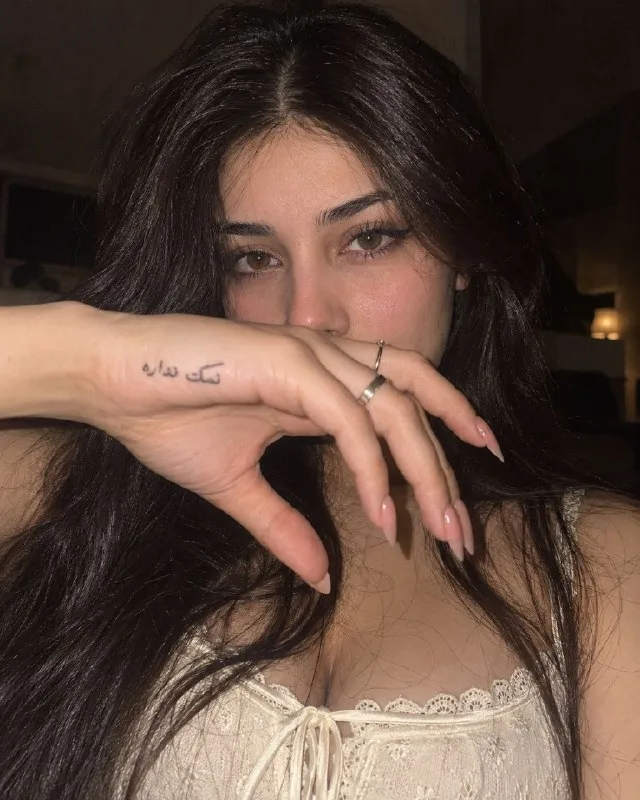
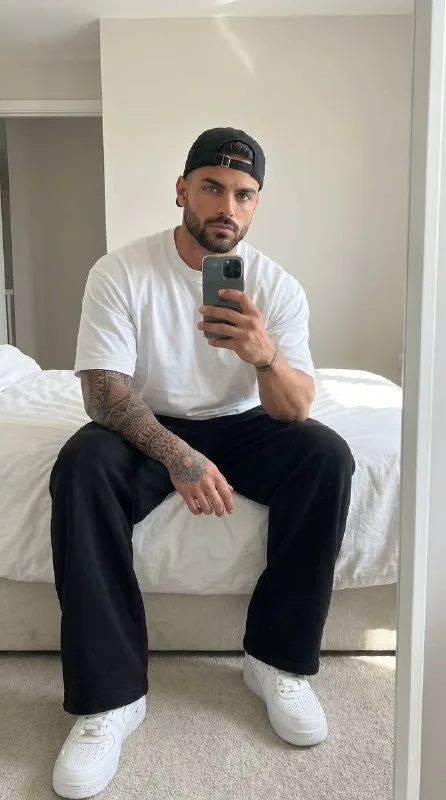
Use the uploaded image as the absolute structural and semantic reference. Preserve the original subject matter, identity, facial features, expression, pose, anatomy, hands, clothing, objects, object count, architecture, landscape, perspective, proportions, spatial relationships, lighting direction, color relationships, framing, crop, aspect ratio, foreground, middle ground, background, negative space, and overall composition exactly as shown.

Do not add, remove, replace, redesign, rearrange, or invent anything. The source image determines WHAT is depicted; the painting style determines only HOW it is rendered.

Transform the entire image into a richly textured late-19th-century Post-Impressionist oil painting inspired by Vincent van Gogh’s characteristic painterly language, without copying the composition of any specific Van Gogh artwork.

Replace photographic smoothness with tangible, expressive oil paint: visible directional brushstrokes, layered pigments, broken color, subtle impasto, textured canvas, irregular handcrafted edges, and varied stroke length, thickness, density, and direction. Brushwork must follow the underlying forms: contour-following strokes on faces and bodies, rhythmic strokes on clothing and objects, structured strokes on architecture, and organic directional strokes on vegetation, clouds, water, or terrain only where those elements actually exist.

Use a vivid but source-faithful Post-Impressionist palette. Enhance existing colors through complementary and neighboring pigment contrasts using appropriate ultramarine, cobalt, blue-green, ochre, golden yellow, amber, warm orange, earthy greens, olive, burnt sienna, reddish browns, vermilion, and restrained dark accents. Do not force colors that contradict the original subject or lighting.

Model light, shadow, depth, and volume mainly through layered color relationships and directional brushwork rather than smooth digital shading. Preserve the original illumination and spatial depth while allowing tasteful chromatic exaggeration.

Use selective, organic painted contours around important forms. Keep all shapes recognizable and structurally faithful. For people, preserve facial identity, anatomy, expression, gaze, hairstyle, clothing, pose, hands, and proportions exactly. Do not distort or beautify faces.

For landscapes, architecture, interiors, night scenes, or still lifes, preserve the exact original arrangement and geometry. Add painterly treatment only to surfaces and existing elements. Do not introduce stereotypical Van Gogh motifs such as stars, sunflowers, cypress trees, swirling skies, extra people, or other elements absent from the source.

The final image must look like a genuine physical oil painting on textured canvas, with rich pigment, visible brushwork, occasional impasto, expressive chromatic modeling, and handcrafted irregularities—not a photograph with a filter.

Preserve exactly: content, identity, composition, crop, perspective, proportions, objects, placement, anatomy, lighting logic, and spatial relationships.

Modify only: medium, brushwork, paint texture, pigment behavior, chromatic interpretation, edge treatment, and painterly rendering style.

Avoid smooth gradients, airbrushing, plastic textures, watercolor/acrylic appearance, cartoon rendering, excessive abstraction, distorted faces or anatomy, missing/extra fingers, altered architecture or perspective, procedural/repetitive brush patterns, text, signatures, frames, borders, or watermarks.
Inicia sesión para guardar, votar o escribir una reseña. Iniciar sesión
Aún no hay reseñas publicadas.