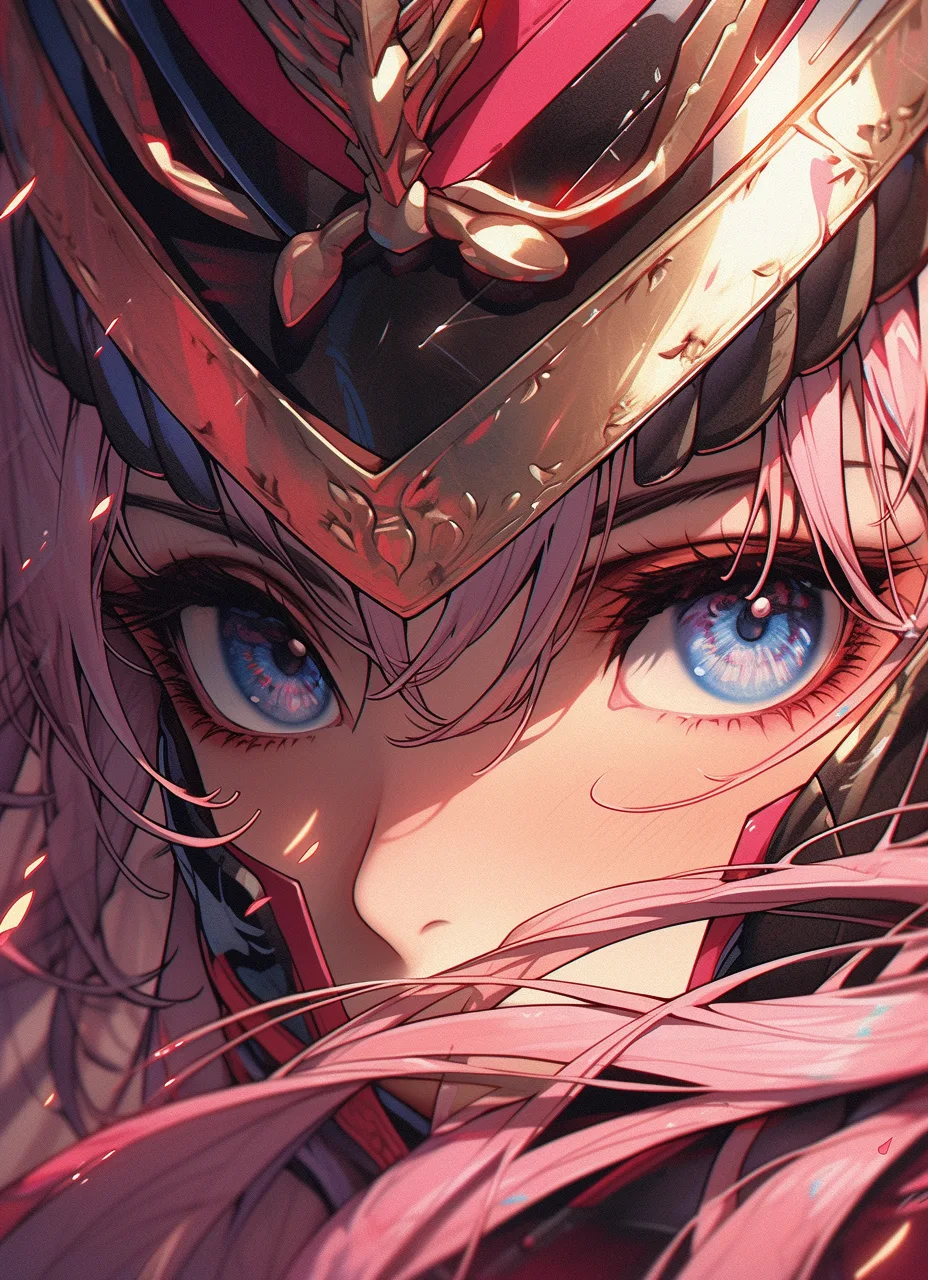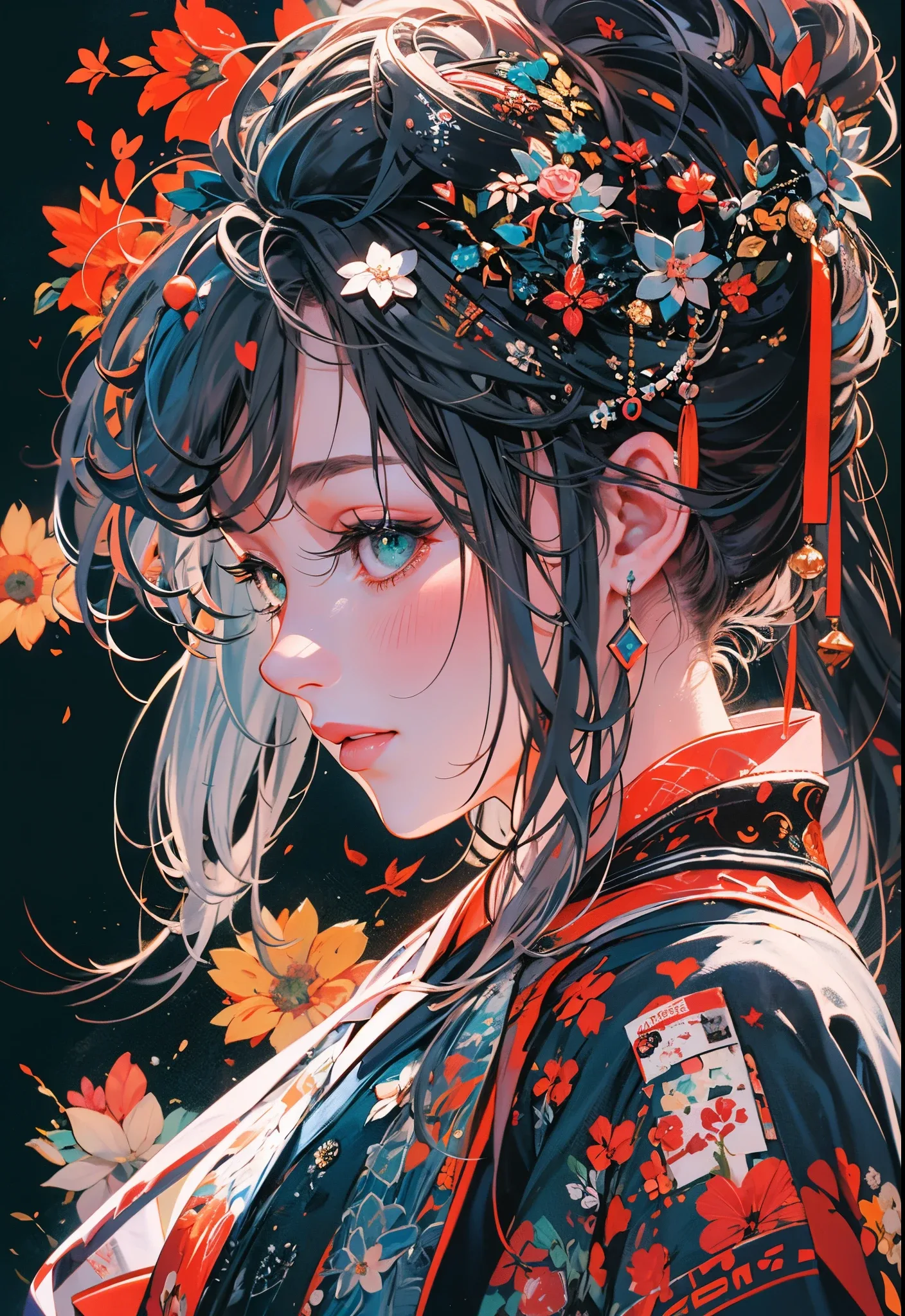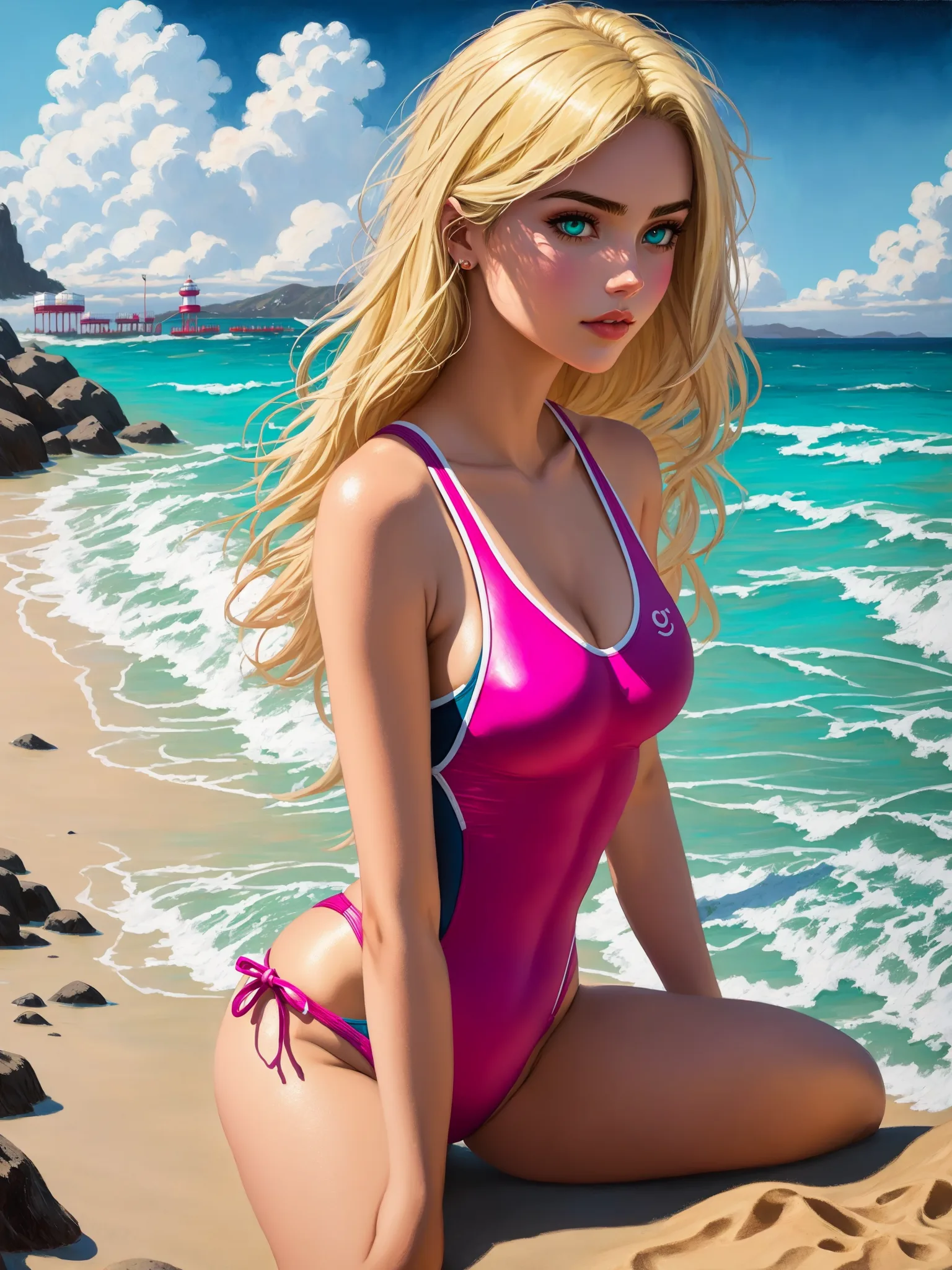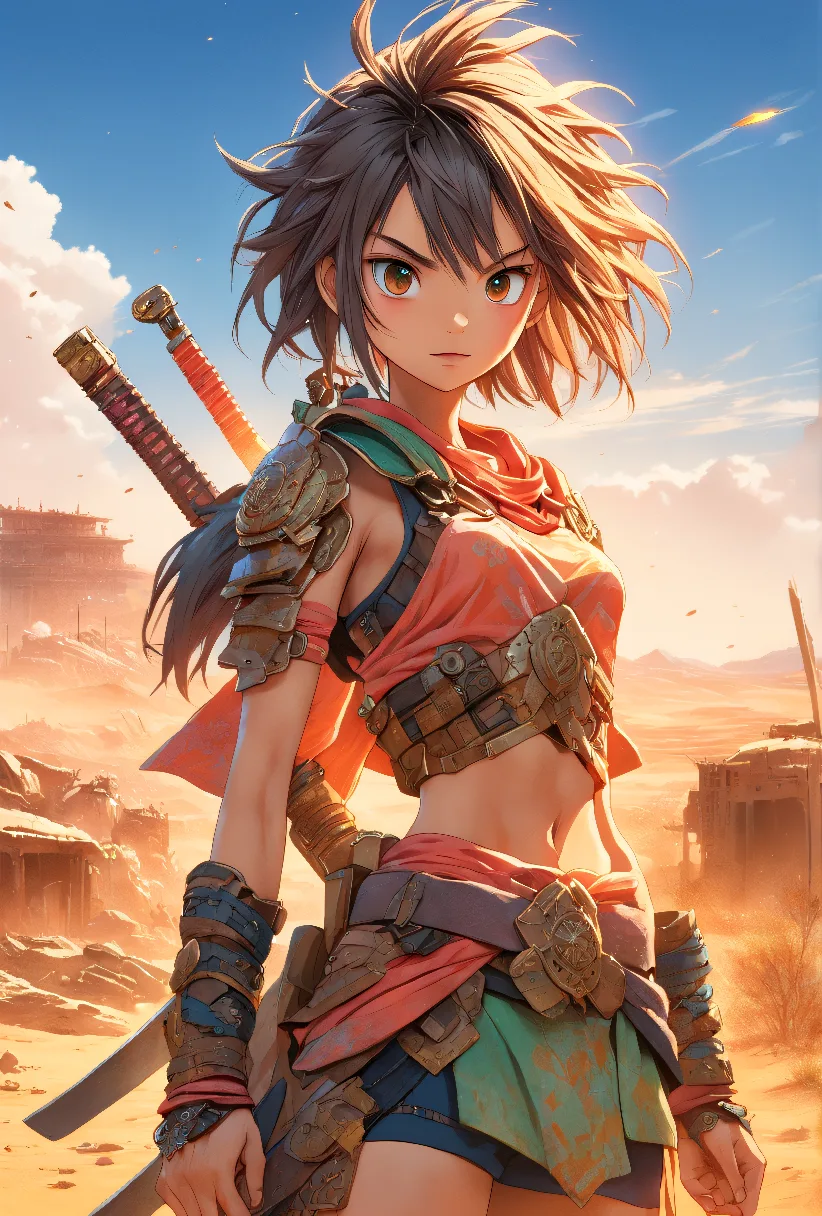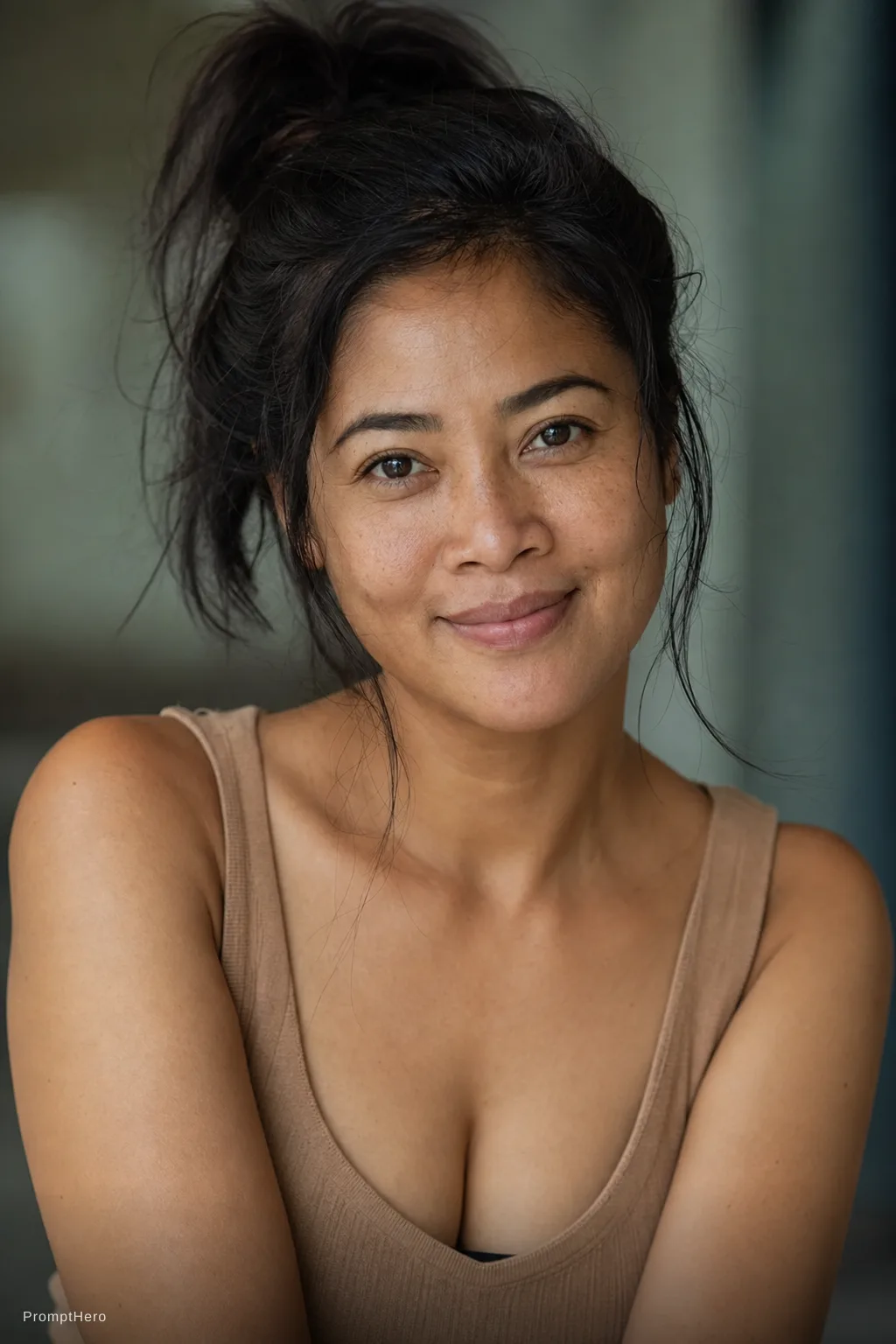
ChatGPT Image prompt: Ultra realistic portrait photo of a beautiful 40-year-old sexy Javanese woman from Indonesia. She has expressive warm brown eyes
0 0 ChatGPT Image
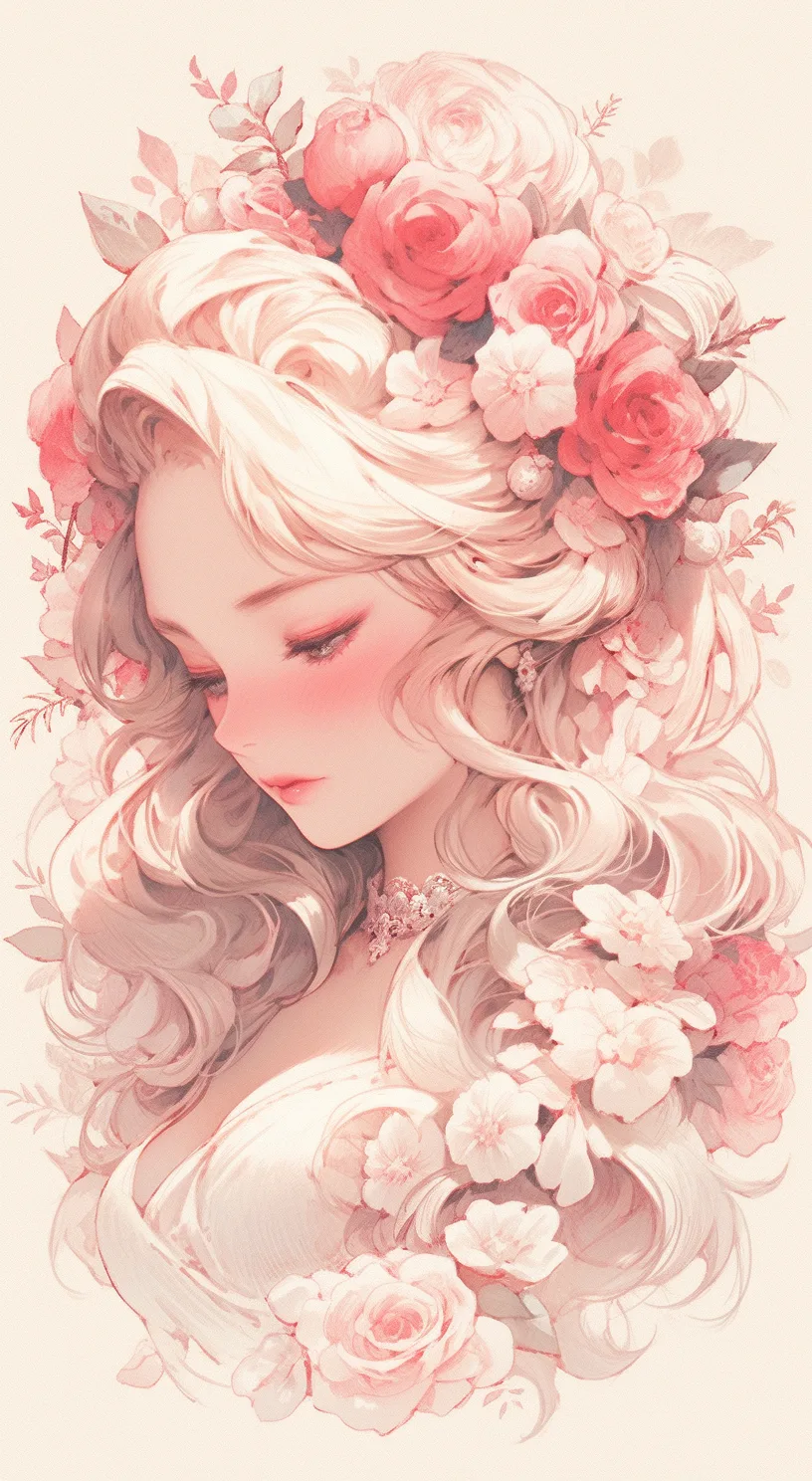
Build a system for generating the SAME character or style across many images - essential for book covers, game sprites, webtoons, or product lines.1. STYLE ANCHOR: define a fixed style descriptor that varies little between runs, e.g. "soft cel-shaded anime style, clean lineart, pastel palette, dynamic lighting". Keep the anchor constant in every generation for the series.2. CHARACTER SHEET (text-based consistent reference):"Character: [NAME]. Physical: [build, hair, eye color, skin tone, height]. Wardrobe: [default outfit, colors, signature accessory]. Expression default: [neutral/confident/shy]. Never change: [face shape, hair silhouette, eye color]."3. WILDCARD FRAMEWORK (SDXL/ComfyUI):Use a wildcard file per attribute that the artist can randomize while keeping constants fixed:- __emotion__: happy, sad, angry, surprised, calm, determined- __pose__: standing, walking, portrait, action shot, sitting- __bg__: sunset field, rain city, rooftop, cozy roomExample assembled prompt: "style anchor + [QUALITY] + [NAME] with __emotion__ expression, __pose__ pose, on __bg__, same outfit and hairstyle as reference"4. CONSISTENCY RULES: put the fixed attributes ALWAYS in the same position in the prompt (style first, character sheet, then variables); for faces in SDXL prefer an initial seed + low variation, or a LoRA if characters must be identical.Deliverable: the framework, 2 ready wildcard sets (article cover series + game character), the prompt template, and troubleshooting (what to change when identity drifts vs style drifts).
Build a system for generating the SAME character or style across many images - essential for book covers, game sprites, webtoons, or product lines.1. STYLE ANCHOR: define a fixed style descriptor that varies little between runs, e.g. "soft cel-shaded anime style, clean lineart, pastel palette, dynamic lighting". Keep the anchor constant in every generation for the series.2. CHARACTER SHEET (text-based consistent reference):"Character: [NAME]. Physical: [build, hair, eye color, skin tone, height]. Wardrobe: [default outfit, colors, signature accessory]. Expression default: [neutral/confident/shy]. Never change: [face shape, hair silhouette, eye color]."3. WILDCARD FRAMEWORK (SDXL/ComfyUI):Use a wildcard file per attribute that the artist can randomize while keeping constants fixed:- __emotion__: happy, sad, angry, surprised, calm, determined- __pose__: standing, walking, portrait, action shot, sitting- __bg__: sunset field, rain city, rooftop, cozy roomExample assembled prompt: "style anchor + [QUALITY] + [NAME] with __emotion__ expression, __pose__ pose, on __bg__, same outfit and hairstyle as reference"4. CONSISTENCY RULES: put the fixed attributes ALWAYS in the same position in the prompt (style first, character sheet, then variables); for faces in SDXL prefer an initial seed + low variation, or a LoRA if characters must be identical.Deliverable: the framework, 2 ready wildcard sets (article cover series + game character), the prompt template, and troubleshooting (what to change when identity drifts vs style drifts).
Inicia sesión para guardar, votar o escribir una reseña. Iniciar sesión
Aún no hay reseñas publicadas.