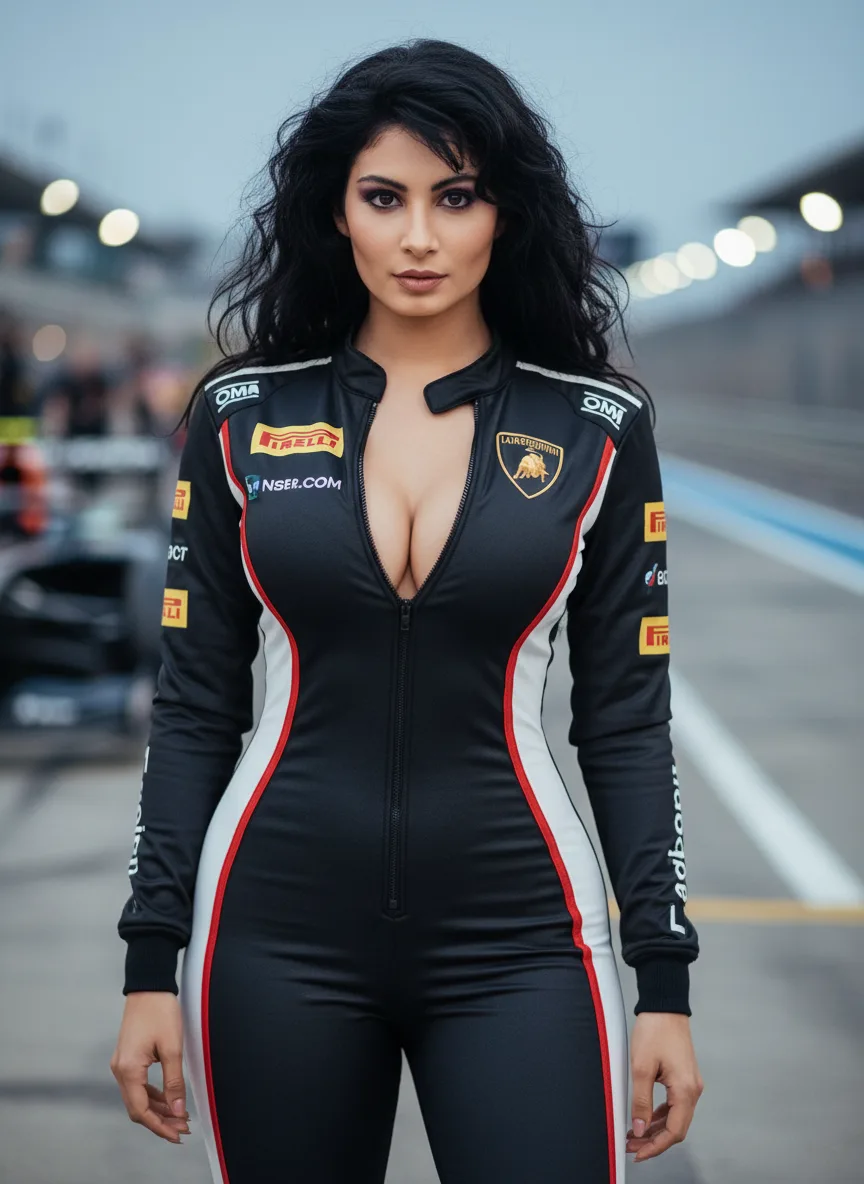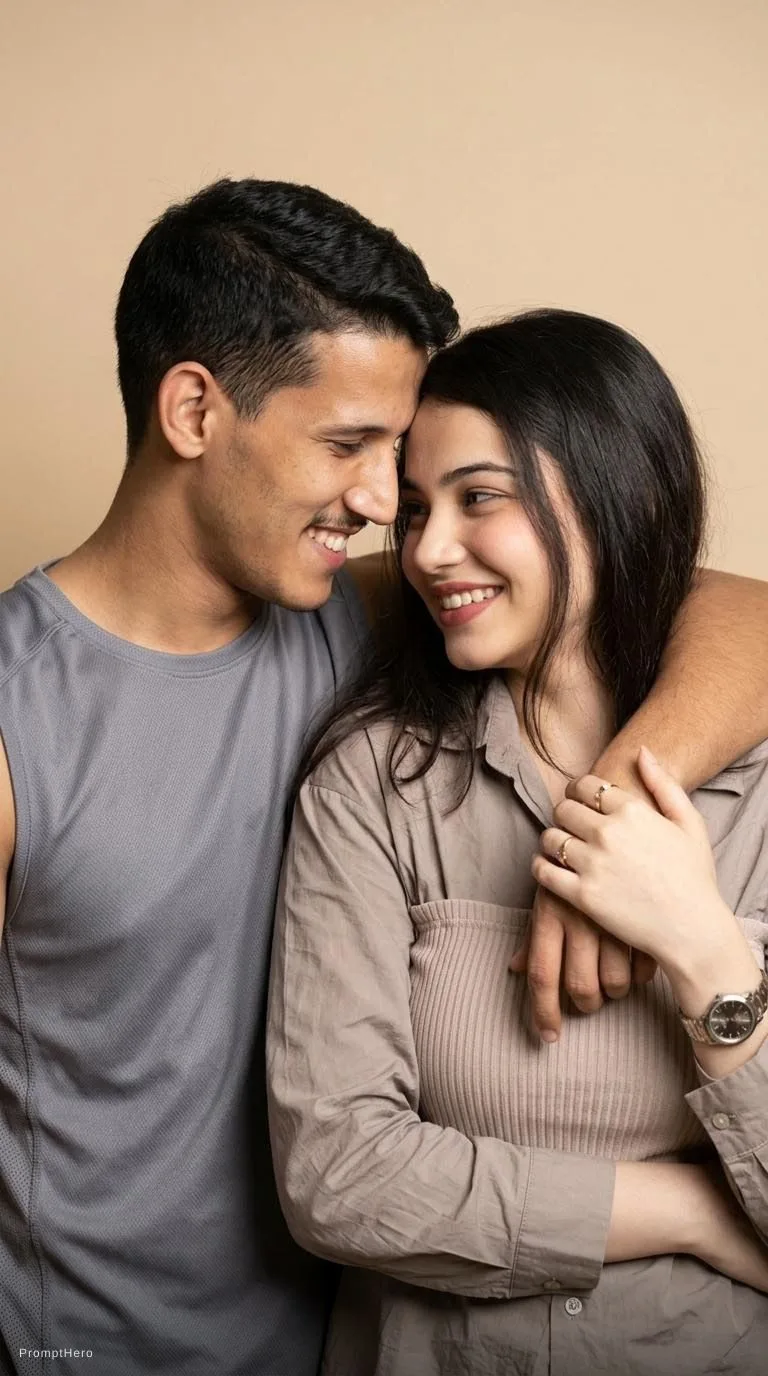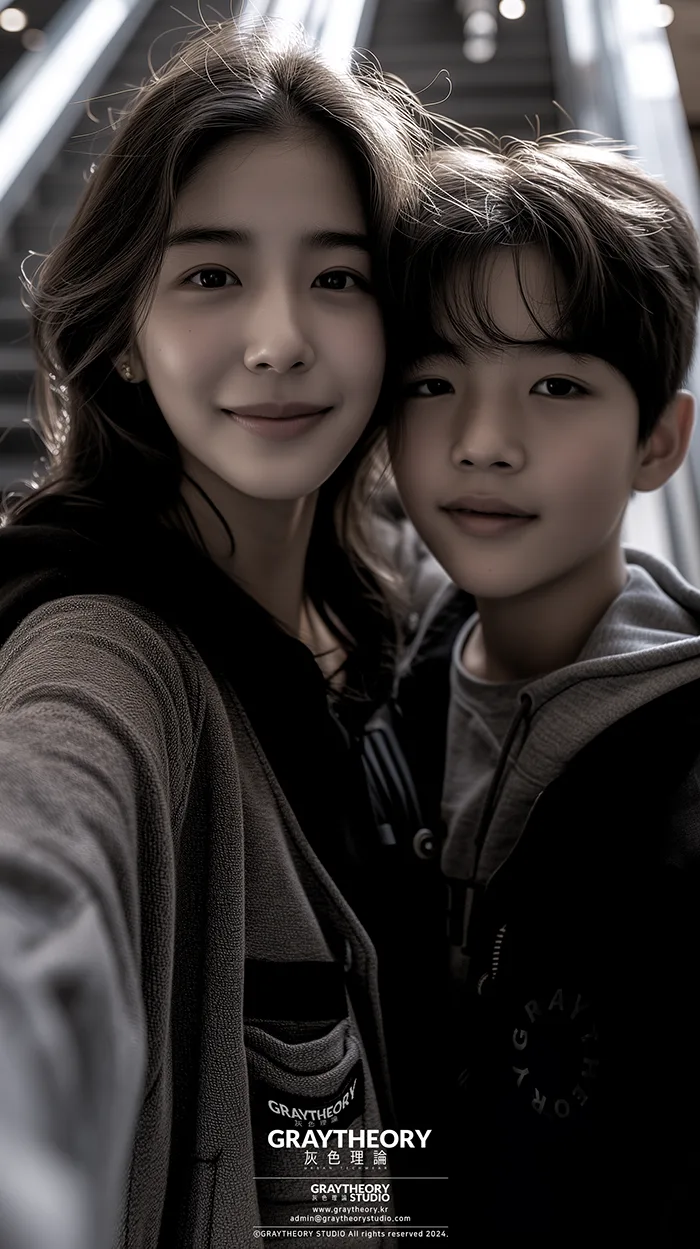
Graytheory model
0 1 Image
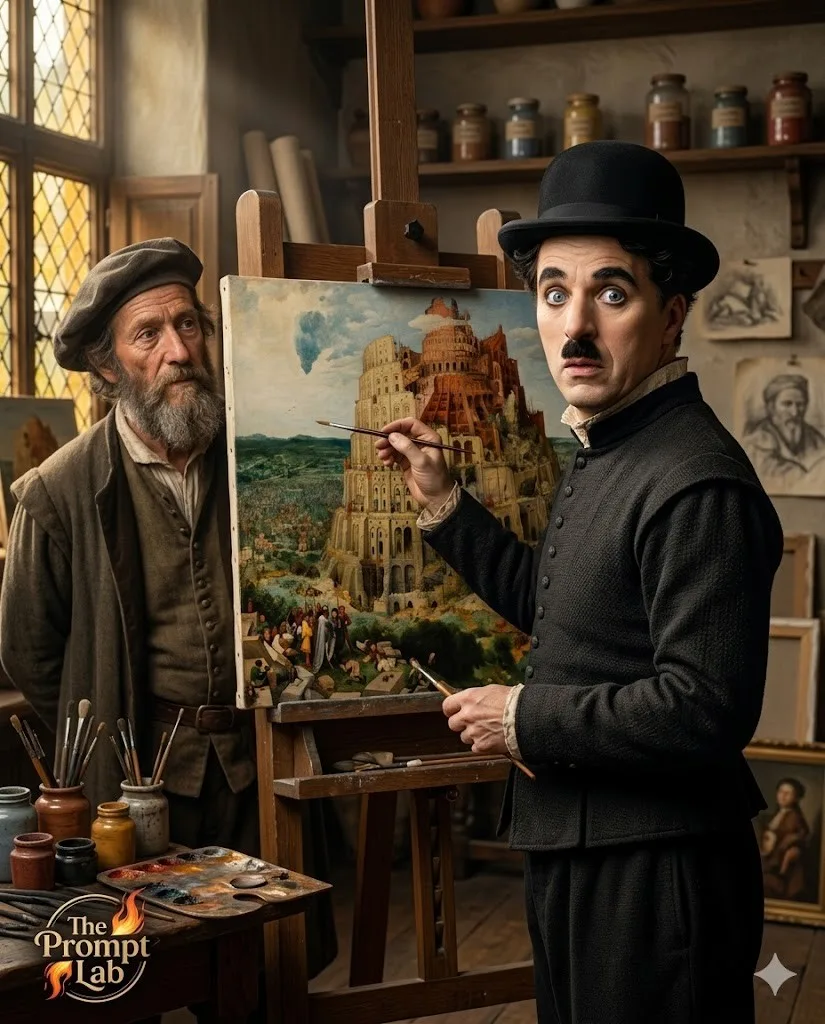
[PAINTING TITLE] is " " Ultra-realistic cinematic historical atelier portrait featuring ( Use the uploaded image strictly as an identity reference.
[PAINTING TITLE] is " "
Ultra-realistic cinematic historical atelier portrait featuring ( Use the uploaded image strictly as an identity reference.
Do NOT change facial geometry, proportions, age, skin tone,
eyes, eyebrows, nose, lips, or expression.
No beautification, no stylization, no face enhancement.
If the identity deviates from the reference, reject the output.
Same exact person only.
If the woman is wearing a hijab, keep her hijab in the picture and make her clothes modest and It covers the entire body ) .
The subject is the main visual focus, positioned slightly closer to the camera, captured in a natural candid intellectual moment rather than posing. He stands beside the authentic historical painter of the artwork titled [PAINTING TITLE], with the painting itself accurately replacing any previous default artwork. The scene must automatically infer the real artist, the correct artistic era, and the appropriate visual setting based on the painting title alone.
If the artwork belongs to the Renaissance, place them inside a grand Renaissance workshop; if it belongs to Baroque, Romanticism, Impressionism, Modernism, or any later movement, transform the environment, props, clothing details, architecture, and studio atmosphere to that era with full historical accuracy.
The subject is holding a fine brush, palette knife, charcoal tool, or era-appropriate instrument toward the nearly completed masterpiece on a large easel as if adding a final delicate stroke, while the real painter stands beside him observing with curiosity and quiet admiration.
The artist’s facial features, hairstyle, clothing, and body language must match the historically appropriate appearance associated with that painter and period.
The studio must feel alive, elegant, immersive, and deeply cinematic, filled with era-correct materials, furniture, pigments, sketches, textures, and workshop objects.
Use rich, believable production design, refined composition, subtle storytelling, and realistic spatial depth.
Lighting should be dramatic yet natural, with museum-quality tonal control, soft volumetric rays, refined contrast, luminous skin tones, painterly color harmony, and atmospheric depth shaped by the era: warm golden light for classical periods, softer diffused daylight for Impressionist scenes, or more stylized controlled studio light for modern eras.
Color grading should be sophisticated, textured, and emotionally resonant, with premium cinematic realism, exquisite detail in fabrics, wood, canvas, tools, and skin, shallow depth of field, and a masterfully composed frame that feels like a high-end historical film still.
🔹Image size: (1080*1350) - Aspect ratio 4:5 - 8K ultra-resolution. Extreme photorealism.
🔹Add a small, professional watermark to the text "The Prompt Lab" in the lower left corner with a distinctive, elegant, and dynamic design featuring stylish fire motion effects, an eye-catching visual appearance, clean, modern, and professional, with no blank lines anywhere in the text and no background.
🔹 Negative Prompt: wrong artist identity, wrong painting, incorrect era, historically inaccurate clothing, mismatched architecture, duplicated characters, extra hands, malformed fingers, deformed face, weak facial resemblance, cartoon look, low detail, flat lighting, oversaturated colors, plastic skin, blurred brush, warped easel, distorted canvas, bad anatomy, extra limbs, crossed eyes, asymmetrical face, messy composition, cropped head, floating objects, poor perspective, modern objects in historical scene unless era-appropriate, text errors, logo clutter, low resolution, noise, artifacts
Sign in to save, vote, or leave a review. Sign in
No reviews have been published yet.